
Publicaciones
- Coordinación interpersonal en niños de tres años: funciones, morfología y temporalidad
Autores: Zamara Cuadros, David Carré, Esteban Hurtado, Carlos Cornejo.
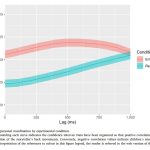
Resumen: La dimensión temporal de las macro- y micro-coordinaciones interpersonales entre niños pequeños y sus interlocutores sociales, así como sus funciones, ha sido ampliamente documentada. Sin embargo, las distintas morfologías que la micro-coordinación corporal puede adoptar durante estas interacciones han recibido considerablemente menos atención. Esta investigación examinó la temporalidad y la morfología de micro-coordinaciones espontáneas niño–adulto, junto con sus funciones asociadas. Con este propósito, niños de tres años (N = 35) fueron asignados aleatoriamente a sesiones de narración de cuentos basadas en historias emocionales o referenciales. Mediante tecnología de captura de movimiento, se rastrearon coordinaciones rápidas y espontáneas entre movimientos del torso, en un rango de 0 a 1000 milisegundos. Los resultados muestran que tanto las coordinaciones tipo espejo como las coordinaciones anatómicas emergen espontáneamente en interacciones entre niños de 3 años y adultos desconocidos. De manera importante, con un leve desfase temporal, las coordinaciones tipo espejo ocurren predominantemente en interacciones emocionales, mientras que las coordinaciones anatómicas con desfase cero aparecen en interacciones referenciales. Estos resultados sugieren que dichas morfologías podrían efectivamente corresponder a funciones distintas de la coordinación, tal como se ha teorizado previamente en la literatura. La evidencia encontrada podría contribuir a una mejor comprensión de cómo la coordinación interpersonal configura la interacción social desde etapas muy tempranas del desarrollo.
- La improvisación musical mejora la coordinación interpersonal en una conversación posterior: evidencia motora y del habla
Autores: Juan Pablo Robledo, Sarah Hawkins, Carlos Cornejo, Ian Cross, Daniel Party, Esteban Hurtado
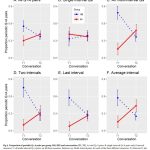
Resumen: Este estudio exploró los efectos de la improvisación musical entre díadas de desconocidos del mismo sexo sobre la alineación conductual posterior. Los participantes —todos no músicos— conversaron antes y después de realizar una de dos actividades: improvisar música juntos (grupo de Improvisación Musical —MI—) o llevar a cabo una tarea cooperativa motora no rítmica (construir una torre con bloques de madera; grupo Manos Ocupadas —HB—). Las conversaciones fueron libres, pero inicialmente se guiaron mediante una adaptación del Fast Friends Questionnaire, diseñada para inducir conversación entre estudiantes desconocidos que se encuentran por primera vez. Durante todo el procedimiento, el movimiento de los participantes fue registrado con un sistema óptico de captura de movimiento (Mocap) y analizado en términos de correlaciones cruzadas de velocidad. Las conversaciones también se grabaron en canales separados mediante micrófonos de diadema y se analizaron según la periodicidad evidenciada por picos rítmicos en las transiciones de turno a lo largo de pares de pregunta y respuesta (pares P+R). En comparación con sus primeras conversaciones, el grupo MI mostró en las segundas conversaciones: (a) una coordinación anatómica muy rápida y parcialmente simultánea entre 0 y 0,4 s; (b) una coordinación motora espejo retardada entre 0,8 y 1,5 s; y (c) una mayor proporción de pares P+R periódicos. En contraste, la coordinación motora del grupo HB cambió levemente en su temporalidad, pero no en el grado de coordinación entre la primera y la segunda conversación, y no se observó un cambio significativo en la proporción de pares P+R periódicos que produjeron. En conjunto, estos resultados muestran un efecto convergente de la interacción musical previa sobre el movimiento corporal conjunto y el uso de periodicidad compartida en las transiciones de turno del habla durante las conversaciones, lo que sugiere que la interacción en música y en habla podría estar mediada por procesos comunes.
- Sincronización corporal y validez ecológica: una preocupación relevante para la teoría de sistemas dinámicos no lineales

Autores: Roberto Musa, David Carré, Carlos Cornejo
Resumen: En su reciente artículo “Bodily synchronization underlying joke telling”, Schmidt et al. (2014) sostienen que la neurociencia de dos personas constituye un enfoque insuficiente para explicar la coordinación interpersonal. La sincronización interpersonal —afirman— debe comprenderse teniendo en cuenta que la persona en su totalidad se encuentra inmersa en una situación encarnada y social. Con este propósito, presentan nuevos datos de captura de movimiento sobre la coordinación corporal durante una tarea de narración de un chiste tipo knock-knock. Schmidt et al. (2014) plantean un punto válido al llamar la atención sobre la complejidad de la actividad sincronizadora. Sin embargo, precisamente debido a su importancia, consideramos necesario destacar ciertas salvedades metodológicas y sustantivas que, en última instancia, hacen que su trabajo no logre dar cuenta de la coordinación humana en interacciones sociales naturales.
- Intervalos musicales en el habla: la disposición psicológica modula la precisión de las proporciones en la producción no local de f0 entre interlocutores en conversaciones diádicas en tiempo real
Autores: Juan P. Robledo, Esteban Hurtado, Felipe Prado, Domingo Román, Carlos Cornejo.
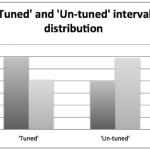
Resumen: Basándose en la noción de intervalos musicales, estudios recientes han demostrado el uso de proporciones de frecuencia precisas en la vocalización humana. Desde un punto de vista metodológico, estos trabajos han abordado la vocalización humana a nivel individual. En el presente estudio, nos preguntamos si patrones como los intervalos musicales también pueden encontrarse entre las voces de personas que participan en una conversación, como un fenómeno interpersonal emergente. Cincuenta y seis participantes fueron emparejados aleatoriamente y asignados a una condición de control o a una condición de baja confianza. Se generaron proporciones de frecuencia al yuxtaponer producciones no locales de la frecuencia fundamental (f0) de dos personas involucradas en cada conversación diádica. Se hallaron diferencias entre condiciones, tanto en la distribución de intervalos como en su precisión. Estos resultados respaldan la idea de que las disposiciones psicológicas modulan los intervalos musicales generados entre participantes mediante un proceso de acomodación vocal mutua en tiempo real. Asimismo, ponen de relieve el uso transversal de los intervalos musicales entre distintos dominios.
- Análisis semiótico de secuencias de interacción empáticas y no empáticas: estudio microgenético

Autores: Pablo Fossa, David Carré, Carlos Cornejo.
Resumen: Este estudio tuvo como objetivo explorar y describir el proceso de regulación dialógica en interacciones conversacionales. Se grabaron en video 30 parejas de estudiantes en interacciones entre desconocidos, orientadas a generar una situación de manejo no empático o simpático, y se seleccionaron cuatro segmentos de conversación, dos por cada tipo de interacción. El corpus fue analizado mediante un protocolo de análisis semiótico basado en el modelo propuesto por Molina (2007). Los resultados muestran que las interacciones empáticas se caracterizan por un proceso de co-construcción de significado, con un manejo adecuado del estrés y una identificación con el signo lingüístico. Por su parte, las interacciones no empáticas se caracterizan por la emergencia de signos lingüísticos que no continúan la secuencia de construcción de significados, con alta tensión dialógica, y por una estrategia de distanciamiento o abandono del campo de sentido.
- La unidad fisonómica del signo, la palabra y el gesto

Autores: Carlos Cornejo, Roberto Musa.
Resumen: Goldin-Meadow y Brentari (G-M&B) se posicionan implícitamente en contra del paradigma dominante en la investigación del lenguaje, a saber, la metáfora de la “habla como lenguaje escrito”, que concibe los sonidos vocales y los signos corporales como medios para transmitir significados estables de las palabras. Sostenemos que la investigación clásica de Heinz Werner sobre las propiedades fisonómicas del lenguaje respalda y complementa su perspectiva, al entender el signo y el gesto como un sistema unificado.
- La Coordinación Corporal Espontánea Varía Entre Interacciones Afectivas e Intelectuales entre Niños y Adultos
Autores: Zamara Cuadros, Esteban Hurtado, Carlos Cornejo
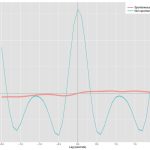
Resumen: La sincronía entre bebés y adultos ha sido documentada en estudios observacionales y experimentales. Sin embargo, la sincronía se aborda de manera diferente en ambos casos. Mientras que los estudios observacionales miden la sincronía en interacciones espontáneas entre bebés y adultos, los estudios experimentales la manipulan, induciendo interacciones sincrónicas y asincrónicas no espontáneas. Una pregunta aún no resuelta es hasta qué punto difiere la sincronía espontánea de la no espontánea, aquella generada experimentalmente. Para abordar esta cuestión, llevamos a cabo un estudio para comparar la sincronía en ambos contextos de interacción. Cuarenta y tres bebés de 14 meses fueron asignados aleatoriamente a uno de dos grupos independientes: (1) el contexto de interacción espontánea, consistente en una sesión de lectura de cuentos; y (2) el contexto de interacción no espontánea, donde un asistente mecía al bebé en sincronía con un desconocido. Utilizamos un sistema óptico de captura de movimiento para registrar con precisión el tiempo y la forma de la sincronía en ambos contextos. Nuestros hallazgos indican que la sincronía que surge en intercambios espontáneos presenta características distintas de la sincronía producida en una interacción no espontánea. La evidencia presentada aquí ofrece nuevas perspectivas para replantear el estudio de la sincronía entre bebés y adultos y sus consecuencias en el desarrollo infantil.
- Recuerdo secuencial y recuerdo vivido en el curso de la experiencia: un estudio videográfico

Autores: Himmbler Olivares, Paloma Opazo, Daniela Sepúlveda Moreno, Carlos Cornejo
Resumen: Durante los últimos 30 años, la discusión sobre la memoria y el recuerdo ha evolucionado desde una perspectiva estrictamente cognitiva hacia una visión más amplia, que incorpora al cuerpo en estos procesos. En este sentido, el presente artículo busca recuperar las principales ideas de Henri Bergson —publicadas hace más de un siglo—, enfatizando la estrecha relación entre la experiencia inmediata, la memoria y los movimientos corporales. En primer lugar, se revisan perspectivas contemporáneas sobre la memoria. Posteriormente, se presentan los resultados de un estudio videográfico que muestra cuán profundamente el cuerpo participa en el acto de recordar. Estos resultados evidencian la presencia de dos formas distintas de recuerdo: la secuencial y la vivencial.
- Empatía y Convergencia del tono fundamental
Autores: Camilo Quezada, Juan-Pablo Robledo del Canto, D. Román, Carlos Cornejo.
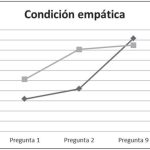
Resumen: Este estudio exploró la relación entre la empatía y la convergencia fonética. La hipótesis de trabajo planteó que la empatía entre dos individuos se traduce en un proceso sincrónico que incide en los valores de altura tonal (pitch). Para ello, se registraron 27 interacciones diádicas, asignadas a una de dos condiciones experimentales (denominadas Empática y No Empática). Se observó la evolución temporal del pitch en algunas de las preguntas utilizadas para guiar las conversaciones. En cada conversación, se analizó el pitch de ambos participantes con el fin de determinar si ocurría o no convergencia fonética. Se realizaron análisis descriptivos e inferenciales, cuyos resultados fueron consistentes con la manipulación diseñada para distinguir cada condición experimental. Los datos finales respaldan la existencia de una relación entre ciertos rasgos fonéticos del habla y dimensiones disposicionales que, aunque suelen ser omitidas por los modelos clásicos de la cognición, están ampliamente presentes en las interacciones cotidianas. Asimismo, los resultados apoyan la idea de que el efecto de la empatía es más fuerte en diadas mixtas (de distinto género) que en diadas del mismo género.